



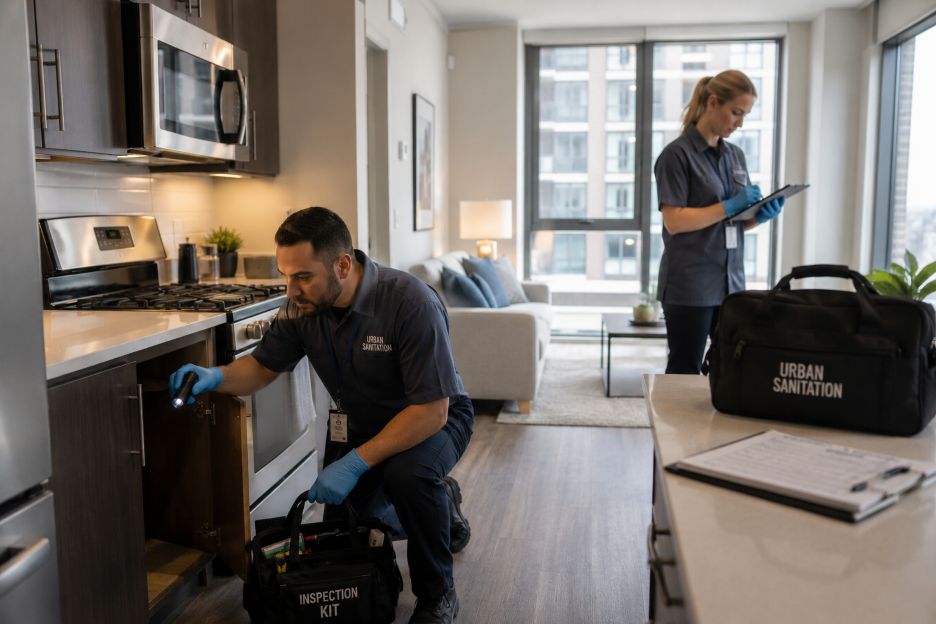
Bed bugs affected an estimated 1 in 5 Americans either directly or through someone they know, according to survey data published by the National Pest Management Association (NPMA). As cities continue to grow denser and more interconnected, urban sanitation concerns are becoming increasingly complex. Municipal authorities, property managers, healthcare institutions, and business owners are investing more heavily in specialized sanitation services designed to address issues that traditional cleaning and maintenance programs often cannot solve.
Field technicians and housing managers across North America report growing demand for targeted services ranging from biohazard remediation and rodent control to pest-specific programs such as buffalo bed bug treatment. Industry professionals note that these specialized interventions are increasingly viewed as part of broader public health and property management strategies rather than isolated maintenance tasks.
The trend reflects a wider shift in urban infrastructure management. Rising population density, increased mobility, aging housing stock, and changing environmental conditions are creating sanitation challenges that require more advanced monitoring, detection, and treatment methods. While routine cleaning remains essential, many city stakeholders are discovering that specialized expertise is necessary to address hidden infestations and contamination risks that can spread rapidly through interconnected urban environments.
Growing Demand Seen Across Diverse Urban Settings
Property managers interviewed in major metropolitan areas frequently describe sanitation issues as becoming more difficult to identify and resolve. Multi-unit housing complexes, hotels, hospitals, schools, and transit systems all face unique challenges linked to high occupancy rates and constant movement of people.
Consider a common scenario in a large apartment building. A resident notices unexplained bites and reports them to management. What initially appears to be a localized issue may, upon professional inspection, reveal activity in neighboring units. Because many urban buildings share walls, plumbing pathways, and utility spaces, infestations can spread beyond the original source before becoming visible.
Experts note that early detection is increasingly important. Research published by the Centers for Disease Control and Prevention (CDC) highlights the value of integrated pest management approaches that combine monitoring, inspection, preventive measures, and targeted treatment rather than relying solely on reactive responses.
Healthcare facilities face similar concerns. Hospitals and long-term care centers must maintain strict sanitation standards while managing constant patient turnover. Even isolated incidents can require extensive inspection and containment procedures to prevent disruptions to operations.
Urban Density Creates New Sanitation Challenges
Population concentration remains one of the most significant factors driving demand for specialized services. Data from the United Nations Department of Economic and Social Affairs shows that more than half of the world’s population lives in urban areas, and that proportion is expected to continue rising in the coming decades.
Higher density creates more opportunities for pests, pathogens, and contaminants to spread. Apartment buildings, shared workspaces, public transportation systems, and mixed-use developments bring large numbers of people into close contact every day.
Environmental factors further complicate the situation. Warmer temperatures can extend breeding seasons for certain pests, while extreme weather events may displace rodents and other animals into urban environments. Researchers from the World Health Organization (WHO) have noted that environmental changes can influence pest distribution patterns and increase public health challenges in cities.
Urban sanitation providers are responding by adopting more sophisticated tools. Digital monitoring systems, remote sensors, thermal imaging equipment, and data-driven inspection programs are becoming more common throughout the industry. These technologies help identify problems earlier and allow technicians to focus resources where they are most needed.
The Economic Impact on Housing and Businesses
The financial consequences of sanitation issues extend far beyond treatment costs. Property owners may face tenant complaints, legal disputes, vacancy losses, and reputational damage if problems are not addressed promptly.
For hospitality businesses, the stakes can be particularly high. Hotels depend heavily on guest satisfaction and online reviews. Even isolated incidents can lead to revenue losses if travelers perceive sanitation standards as inadequate.
Research from the American Hotel & Lodging Association and industry risk management studies consistently emphasize the importance of proactive inspection programs as part of operational risk reduction. Preventive measures often cost significantly less than managing a widespread problem after it has escalated.
Housing authorities face their own challenges. Public housing systems frequently operate within tight budget constraints while serving large populations. Delayed responses can result in more extensive remediation efforts later, increasing overall costs for both agencies and residents.
Commercial office buildings are also paying closer attention. Employers recognize that workplace sanitation influences employee confidence, productivity, and overall building operations. Specialized service providers are increasingly being incorporated into long-term facility management plans rather than being called only during emergencies.
Technology Is Reshaping the Industry
Advances in detection and monitoring technology are transforming how sanitation professionals operate. Instead of relying solely on visual inspections, many organizations now use digital reporting platforms, sensor networks, and predictive analytics.
Data collected from monitoring systems can help identify recurring problem areas and reveal patterns that might otherwise go unnoticed. Facilities managers can track trends over time and make informed decisions about resource allocation.
Industry analysts from organizations such as the National Pest Management Association report that integrated monitoring programs are becoming increasingly common in large institutional settings. The goal is to move from reactive treatment toward ongoing prevention and risk management.
This technological shift aligns with broader smart-city initiatives. Municipal governments are investing in infrastructure that uses data to improve public services, and sanitation management is increasingly becoming part of that conversation.
Future Outlook for Urban Sanitation Services
The demand for specialized urban sanitation services is expected to continue growing as cities expand and infrastructure becomes more complex. Public health concerns, environmental pressures, and economic considerations are all contributing to greater awareness of sanitation risks.
Experts anticipate stronger collaboration between municipal agencies, healthcare organizations, housing providers, and private sanitation firms. Preventive strategies will likely receive increased attention as stakeholders seek to reduce costs and improve public confidence. This broader focus on healthier environments extends beyond buildings themselves and reflects wider conversations about urban living trends and outdoor spaces, where residents and city planners are increasingly prioritizing cleanliness, sustainability, and quality of life throughout residential communities.
Training and certification standards may also evolve. As technology becomes more sophisticated, technicians will need specialized knowledge in detection systems, environmental monitoring, and integrated management practices.
Urban sanitation is no longer viewed simply as a maintenance issue. It has become an important component of public health planning, property management, and economic resilience. From apartment complexes and hospitals to hotels and transit systems, organizations are recognizing that proactive sanitation strategies can help protect both people and infrastructure.
As major cities continue adapting to changing population patterns and environmental conditions, specialized sanitation services are likely to remain an essential part of urban life. The growing emphasis on prevention, technology, and coordinated response suggests that the industry will play an increasingly visible role in supporting healthier and more resilient communities.




 The versatility of recessed lighting has been greatly enhanced in recent years, with options such as track lights and movable fixtures that may swivel within the lamp’s primary housing. These features greatly enhance the light’s utility in any given environment.

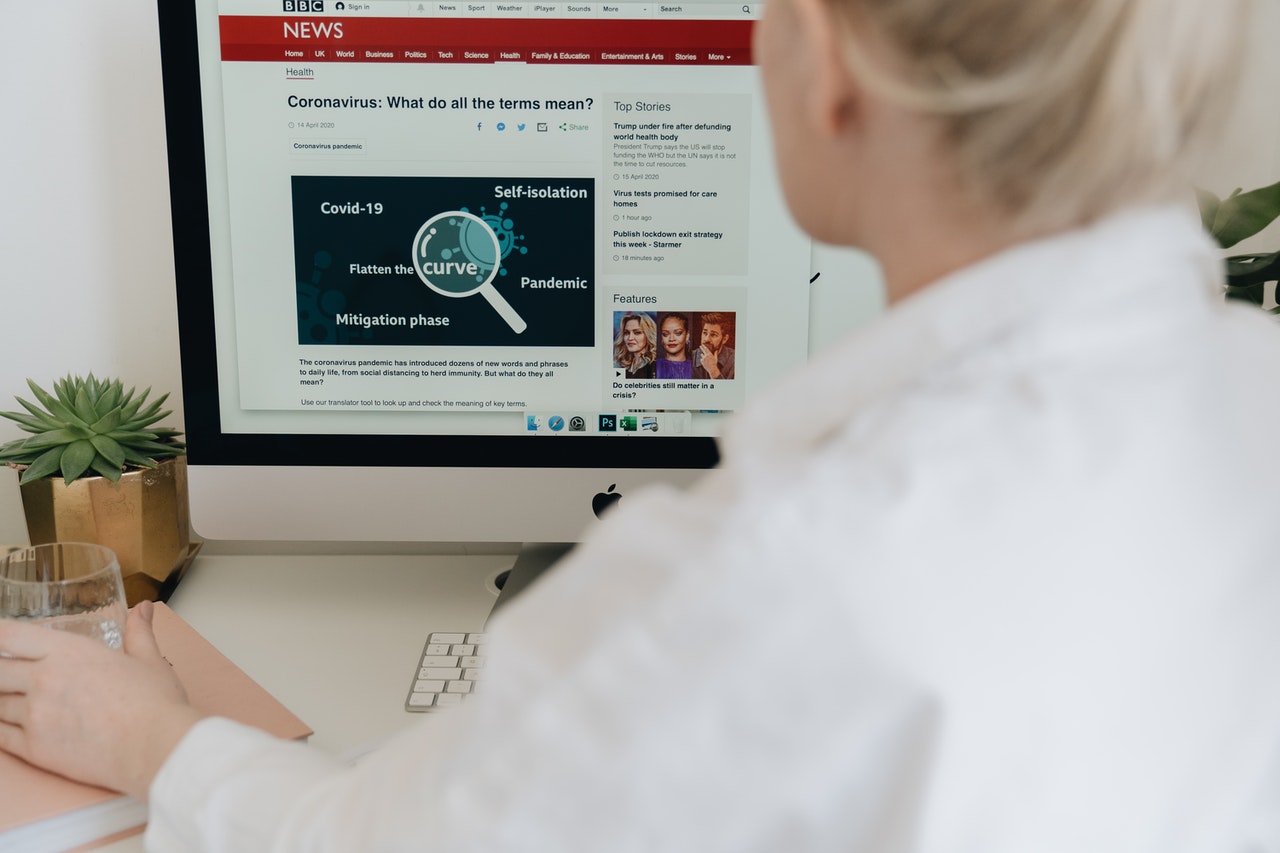

 It is vital for you to instill the habit of following the news in children from an awfully young age. There was a time when people wont to expect newspapers so as to catch the previous day’s happenings. due to the net, every latest information now’s available with a click of a button. There are plenty of advantages of following the news, especially for growing children. some common ones are listed below.
 Knowing the towing capacity of a truck is critical when choosing which model will work best for your pulling needs further as determining what you may be ready to haul along with your current vehicle. You ought to constantly observe the listed towing capacity because it is dangerous to exceed the limit. In case you’ll need a towing service, it’s best to choose big truck towing san jose.




 What’s next for these window treatment trends?
 A country house isn’t going back to the wildernesses, rather it is turning out to be more sophisticated. Small combinations of patterns that are traditional have a spot in the contemporary home. Gingham cafe styled curtains are a cheery add-on to a kitchen window or a breakfast corner. Plaid, on the other hand, is always prepared for a riposte. The subtle dotted and floral designs of grain sack draperies heed back to a another time. Burlap as well has its spot when utilized in moderation.


 Politics, business and technology are some of the most sought after content in contemporary journalism when considering the emotional infrastructure which holds cities alive. Karaoke culture is the one that is lacking that story. It is a place where people with various classes, ages, and jobs are united, to tell human stories with the help of sound not to argue with policies.
 The article entitled Bloggers and Media as a Journalistic Art Form discusses media transparency and accountability within cities (e.g. local reporting on governance, services). The notion of incorporating digital reservation into the fabric of the narrative is one that supplements it by revealing the influence of privatized systems in public life.
 The beauty ethos of Korean spa culture is centered around wellness and minimalism. As a guest, you should stay hydrated, reduce your stress, and do gentle care instead of harsh operations. A lot of spas have “rest rooms” with quiet areas, herbal teas, and awareness exercises to help people feel better physically and emotionally. This is very different from how spas usually work in the West, where expensive, fancy services are the norm. The low-key, ritual-based method of K-spa is changing the way people think about luxury and beauty in the world after the pandemic.
 Keeping up with the latest car news is easier than ever thanks to digital journals and online publications. But while reading about new models, tech upgrades, and car care trends, many drivers are also looking for practical ways to protect their own vehicles. One of the simplest solutions gaining attention? The compact cover.


 Yachting enthusiasts and newcomers alike always seek the latest trends and innovations in the boating world. Recent advancements in yacht design, technology, and luxury amenities are transforming how people enjoy the open seas.
 Media companies have been increasingly incorporating glass windows into the architecture of their buildings. This design choice is not merely aesthetic; it reflects a deeper strategy aimed at enhancing transparency, fostering creativity, and promoting a connection with the public. Furthermore, the maintenance and restoration of these glass structures are integral to preserving their symbolic and functional value. This article explores the reasons behind this architectural trend and its implications for media companies.


 Pickleball has catapulted from a relatively unknown sport to a recreational activity that has become the talk of the town. Spanning age groups and fitness levels, this easy-to-learn game is quickly becoming a favorite in communities globally. Whether you’ve read about it in your latest news journal or heard whispers at your local community center, you might find yourself intrigued to learn how to play pickleball and master the art of playing pickleball. Let us explore the ins and outs of this exciting sport that has everyone swinging paddles and making new friends.
 When it comes to upgrading your vehicle’s appearance and performance, car rims play a crucial role. These circular metal structures not only enhance the aesthetics of your wheels but also provide improved handling and overall driving experience. In today’s digital era, staying up-to-date with the latest trends, news, and journals on car rims has become easier than ever.